Orthodontics is an important area of modern dentistry that focuses on improving the alignment of teeth and the relationship between the upper and lower jaws. It can help address concerns such as crooked teeth, crowded teeth, gaps, overbites, underbites, and certain other bite irregularities. Although orthodontic treatment is often associated with teenagers wearing braces, modern
Orthodonticsis suitable for people of different ages, including children, teenagers, and adults.
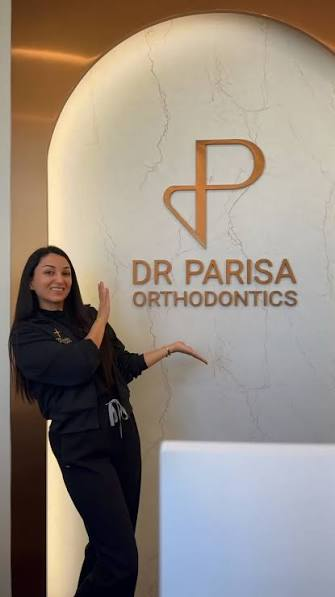
A well-aligned smile can contribute to both appearance and oral function. Teeth that are positioned appropriately may be easier to clean, while certain bite corrections can support more comfortable chewing and dental function. Orthodontic treatment is therefore not simply about creating a visually attractive smile. It is a personalized dental process designed to improve tooth positioning and, when appropriate, bite relationships.
Modern Orthodontics provides several treatment options. Traditional metal braces remain a reliable choice for many patients, while ceramic braces and clear aligners such as Invisalign offer alternatives for people seeking different treatment experiences. The appropriate option depends on the patient's dental condition, treatment goals, lifestyle, and professional evaluation.
An orthodontic consultation is usually the first step toward understanding these options. During the consultation, an orthodontist evaluates the teeth and bite, discusses concerns, and develops a treatment plan based on the individual's needs.
Orthodontics and Modern Dental Alignment
Modern Orthodontics uses carefully planned forces to gradually guide teeth into improved positions. The treatment process depends on the patient's individual alignment and the type of correction required. Some patients may need relatively simple tooth movement, while others may require more comprehensive orthodontic care.
Traditional braces use brackets and wires to apply controlled pressure to the teeth. They remain attached throughout active treatment and can be used for a broad range of orthodontic concerns. Modern braces have become more refined, with designs that can provide a practical and comfortable treatment experience.
Ceramic braces provide another fixed treatment option. Their tooth-colored or clear brackets can make them less noticeable than traditional metal braces. This can be appealing to adults and teenagers who want fixed orthodontic appliances with a more discreet appearance.
Clear aligners are another important development in modern Orthodontics. Invisalign uses a series of transparent, removable aligners designed to gradually move teeth according to a personalized treatment plan. Since the aligners can be removed for eating and oral hygiene, they may offer additional flexibility for suitable patients.
However, not every orthodontic condition is treated in the same way. The complexity of tooth movement, bite relationship, spacing, crowding, and other dental factors can influence the recommended treatment. A professional orthodontic assessment is therefore important before choosing between braces, Invisalign, or another treatment option.
Digital technology has also become an important part of modern orthodontic care. Digital scans, photographs, and diagnostic imaging can help orthodontists understand tooth positioning and develop detailed treatment plans. These technologies can also help patients understand their proposed treatment and expected tooth movement.
Orthodontic Consultation and Treatment Planning
An orthodontic consultation provides an opportunity to discuss dental concerns directly with an orthodontic professional. Patients may seek an appointment because they are concerned about crooked teeth, crowded teeth, gaps, or the appearance of their smile. Others may be experiencing bite-related concerns that require professional evaluation.
During an orthodontic consultation, the orthodontist examines the teeth and evaluates the relationship between the upper and lower dental arches. Depending on the individual case, photographs, X-rays, digital scans, or other diagnostic records may be used to gather additional information.
The information collected during the examination helps the orthodontist create a personalized treatment plan. This plan may include braces, ceramic braces, Invisalign, or another orthodontic appliance. The orthodontist can also explain the expected treatment process and discuss factors that may influence the duration of treatment.
Treatment time varies from patient to patient. A person with mild spacing or simple alignment concerns may require a different treatment period from someone with significant crowding or a complex bite problem. Regular orthodontic appointments are generally required to monitor tooth movement and make adjustments when necessary.
Patient cooperation is also important throughout treatment. People wearing braces need to maintain careful oral hygiene and follow instructions regarding appliance care. Patients using clear aligners need to wear their aligners according to the orthodontist's recommendations and care for them properly.
Good oral hygiene is an essential part of Orthodontics. Braces can create areas around brackets and wires where plaque and food particles may collect, while clear aligners require appropriate cleaning and handling. Regular brushing and flossing can help support healthy teeth and gums during treatment.
Adult Orthodontics and Treatment Options
Adult Orthodontics has become increasingly common as more adults seek solutions for crooked teeth, spacing, crowding, or bite concerns. Adults can receive orthodontic treatment even if they did not have braces during childhood or adolescence.
Treatment planning for adults may take previous dental work and existing oral health conditions into consideration. Restorations, missing teeth, gum health, and other dental factors can affect the orthodontic approach. This makes a professional examination particularly important before treatment begins.
For adults who prefer a discreet treatment option, Invisalign may be an attractive choice when their orthodontic condition is suitable. Clear aligners are designed to be less noticeable than traditional braces and can be removed during meals and oral hygiene routines.
At the same time, traditional braces remain an effective option for many adults. Ceramic braces can provide another alternative for those who prefer a fixed appliance with a less noticeable appearance.
The choice of orthodontic treatment should be based on individual dental requirements rather than appearance alone. An orthodontist can explain the advantages, limitations, treatment requirements, and expected timeline associated with different options.
Treatment costs can also vary considerably. Factors such as the type of orthodontic appliance, complexity of the case, treatment duration, and location of the orthodontic practice may affect the overall cost. Patients can discuss pricing and payment arrangements during their orthodontic consultation.
Orthodontic Care and Long-Term Smile Results
The benefits of Orthodontics extend beyond the active stage of treatment. Once teeth have reached their planned positions, retention becomes an important part of maintaining the results. Retainers are commonly used after braces or clear aligner treatment to help keep teeth in their new positions.
Teeth can naturally shift over time, which is why following the orthodontist's retainer instructions can help maintain treatment results. The recommended retainer schedule varies according to individual circumstances.
Oral hygiene should also remain a priority after orthodontic treatment. Regular brushing, flossing, professional dental examinations, and proper retainer care can support long-term dental health.
Orthodontic treatment can also provide functional benefits in appropriate cases. Improved tooth alignment may make certain areas easier to clean, while correcting specific bite concerns can support improved dental function. The results and benefits depend on the patient's individual condition and treatment plan.
A successful orthodontic journey requires cooperation between the patient and orthodontic professional. Regular appointments, proper appliance care, good oral hygiene, and adherence to treatment instructions can all contribute to a smoother treatment experience.
Conclusion
Orthodontics provides modern solutions for improving tooth alignment, bite relationships, and the overall appearance of the smile. From traditional metal braces and ceramic braces to Invisalign and other clear aligner options, patients have access to different treatment approaches designed for different orthodontic needs.
Whether you are considering treatment for crowded teeth, spacing, crooked teeth, or a bite concern, an orthodontic consultation can provide personalized information about your available options. A qualified orthodontist can examine your teeth, assess your bite, and develop a treatment plan based on your individual dental condition.
 Chợ xây dựng
 Vật liệu toàn quốc
 Tin tức
 Diễn đàn
 Đăng nhập




 About us
 Feed
Feed

 Đăng nhập
 Đăng ký
 Trợ giúp
 Tìm kiếm
